HENRY HUDSON CLIMATE-ADAPTIVE WATERFRONT PARK
Community driven design for a climate-adaptive waterfront park
Location: Hudson, New York
Client: City of Hudson, New England Interstate Water Pollution Control Commission, New York State Department of Environmental Conservation
Services Provided: Landscape Architecture, Community & Stakeholder Engagement, Resiliency Design & Planning
Collaborators: LaBella Associates, youarethecity, & eDesign Dynamics
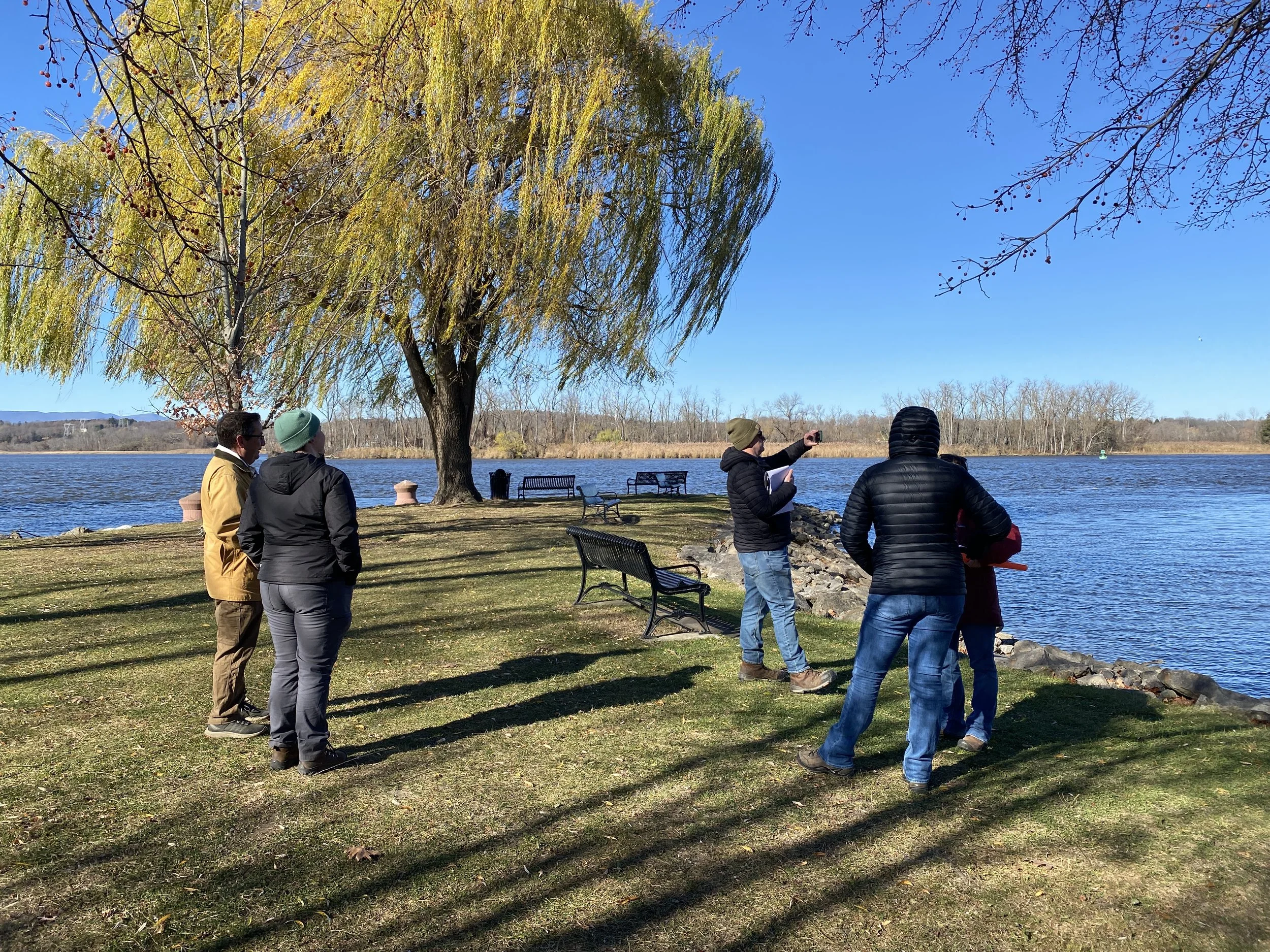
Henry Hudson Riverfront Park is an existing 7 acre park situated along the Hudson River. Assemblage has led two phases of the climate-adaptive redesign: Phase 1 (completed 2022) established the community-driven park design, and Phase 2 (completed 2025) conducted investigations, secured approvals, and produced bid documents for implementation.
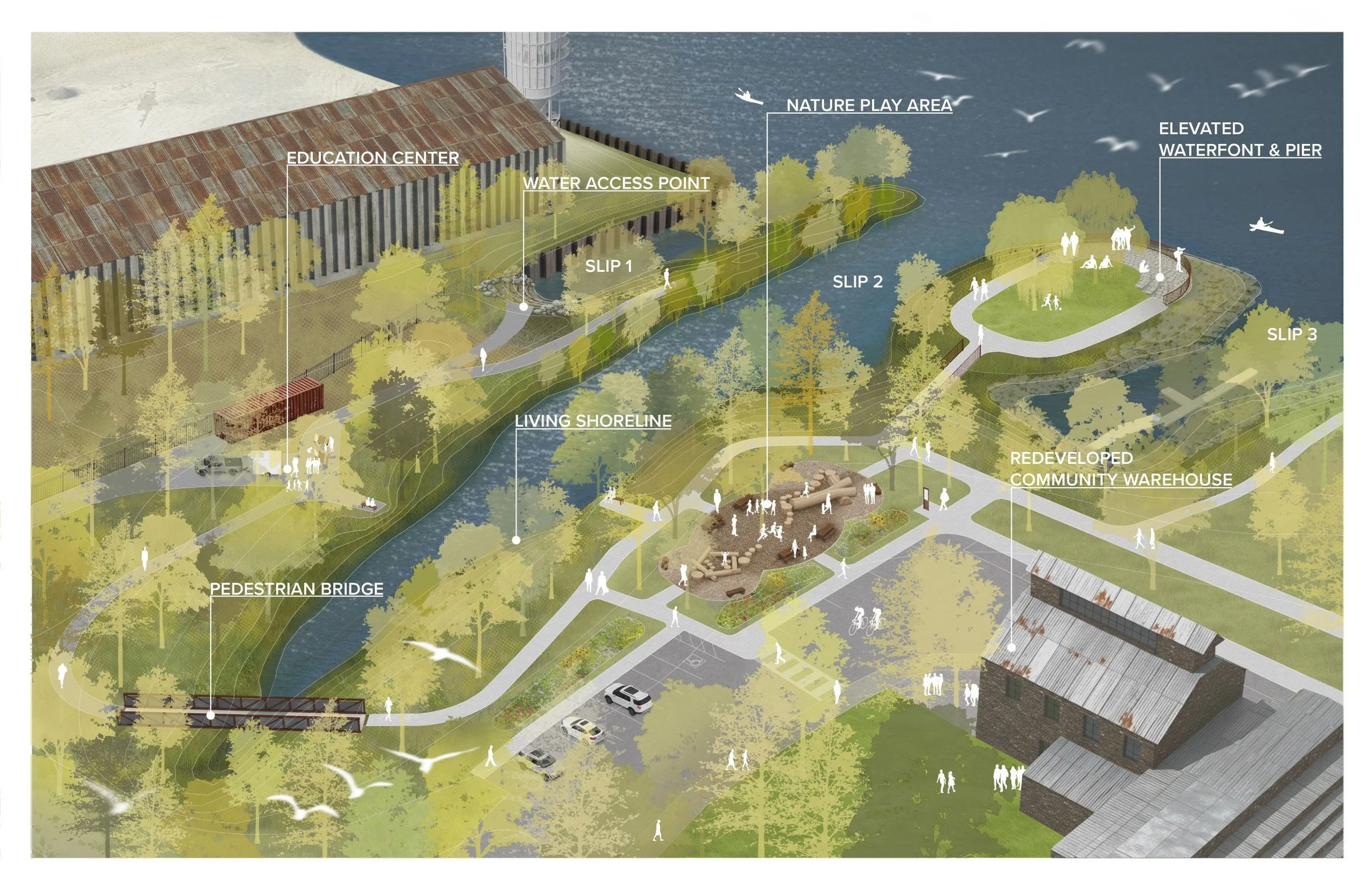
The park, already subject to seasonal flooding, will be further impacted by sea level rise in the future. The resulting framework plan is adaptive to sea level rise, regenerates the shoreline’s tidal ecology, and maintains waterfront recreational access that is critical to the Hudson community.
With 54” of sea level rise projected to occur by 2080, the design team proposed to embrace the water in some areas, and to elevate the shoreline other areas. A new waterfront pier at the elevated shoreline will expand waterfront access, and moving the parking lot away from the shoreline will prioritize pedestrian use.
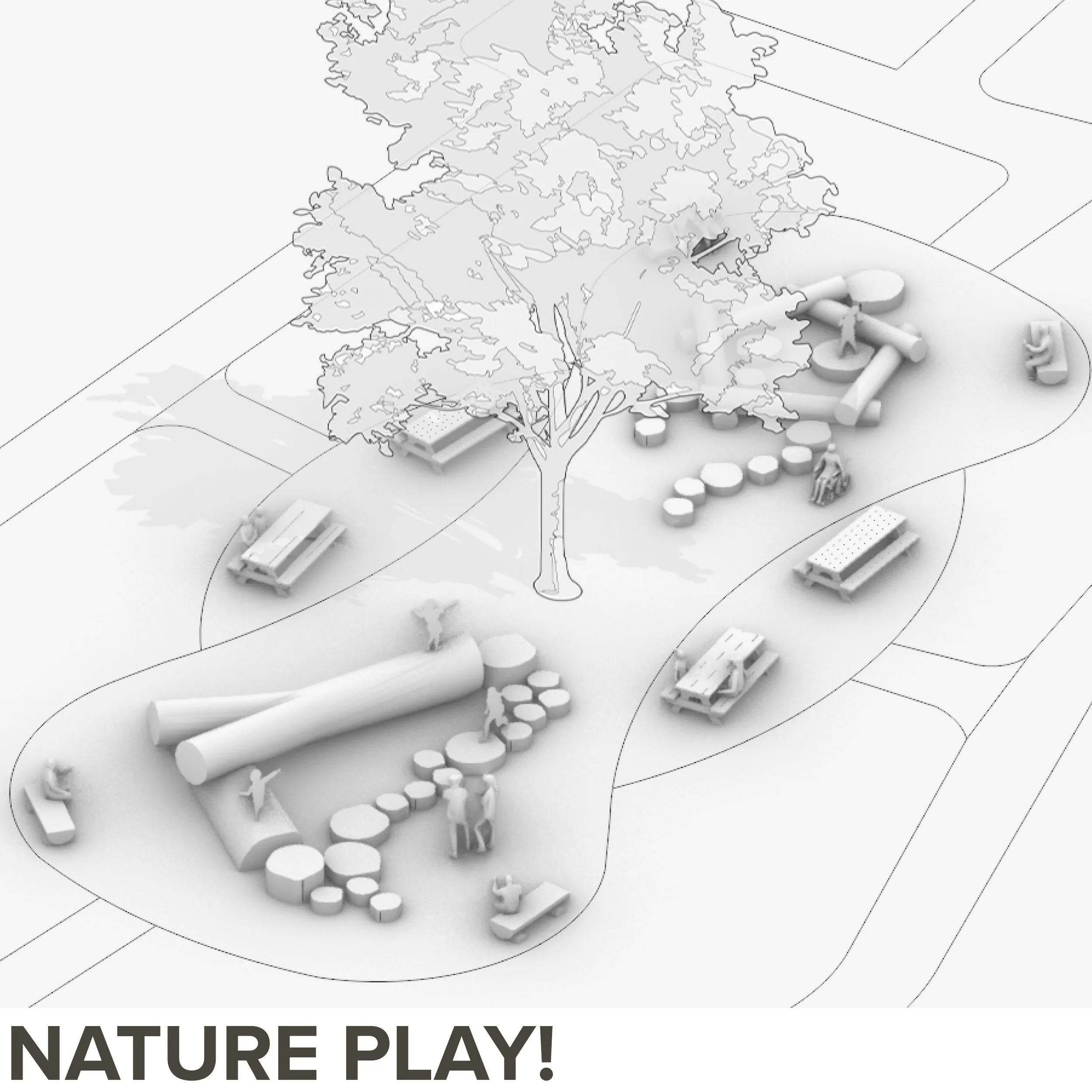
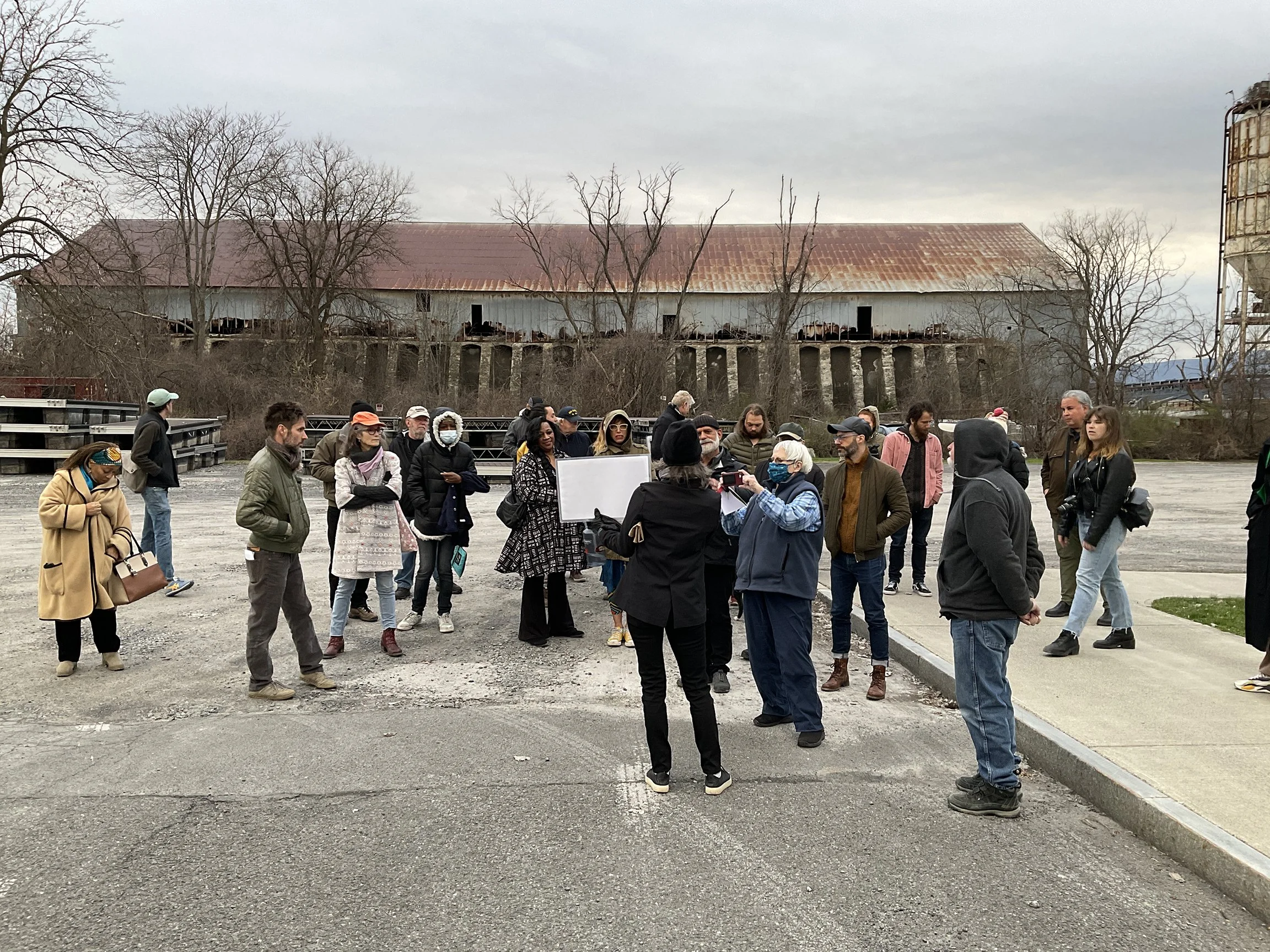
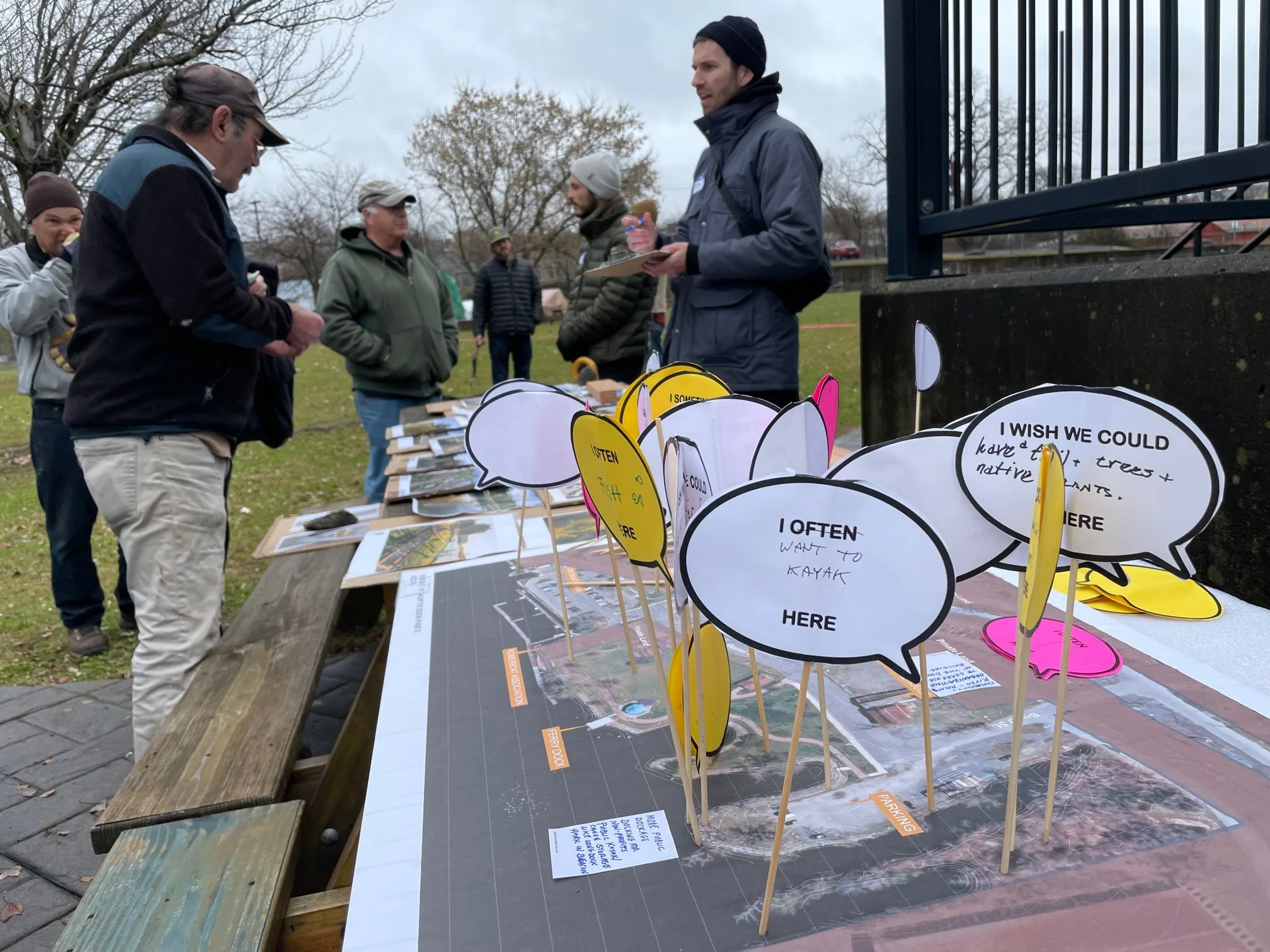
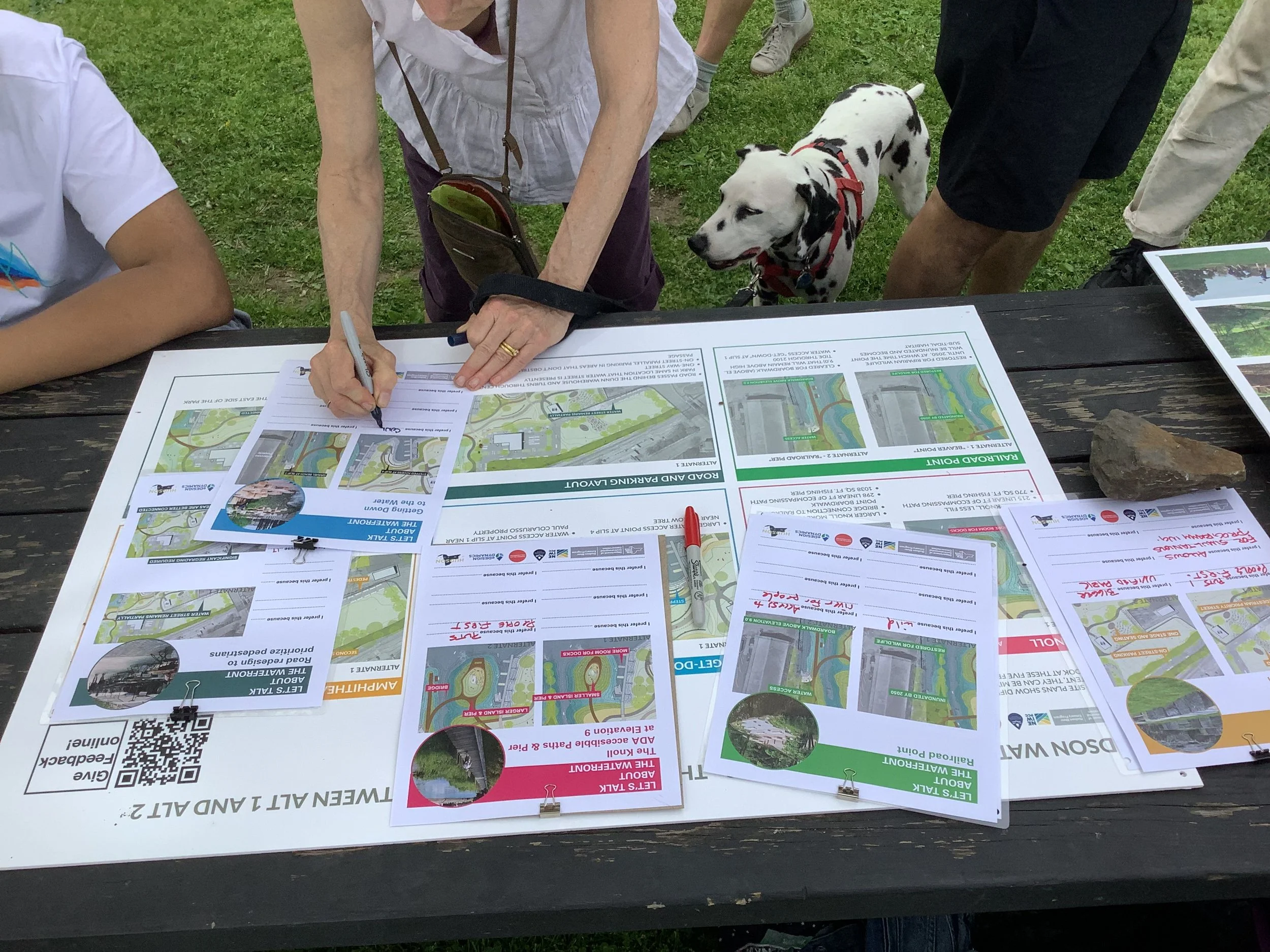
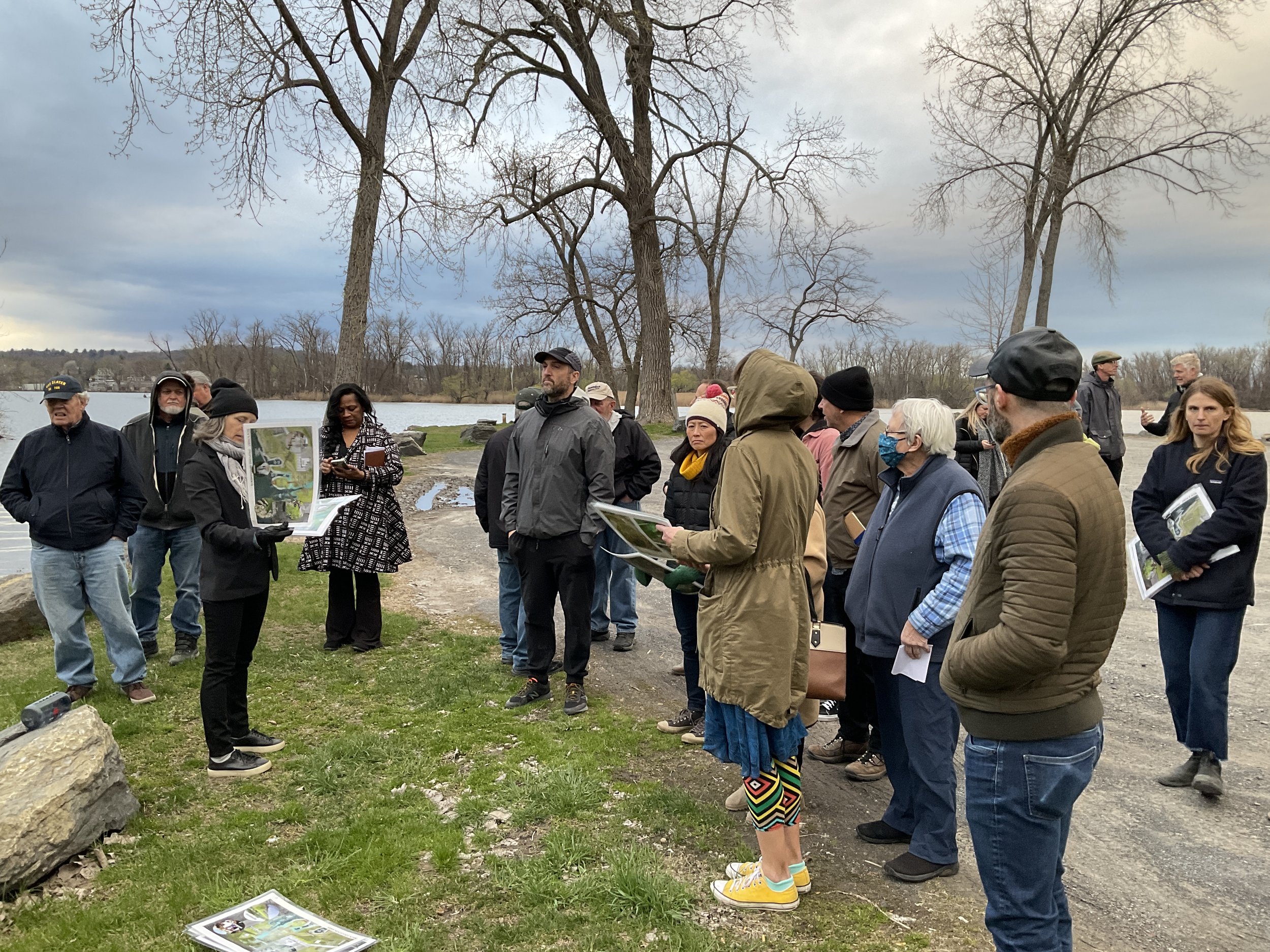
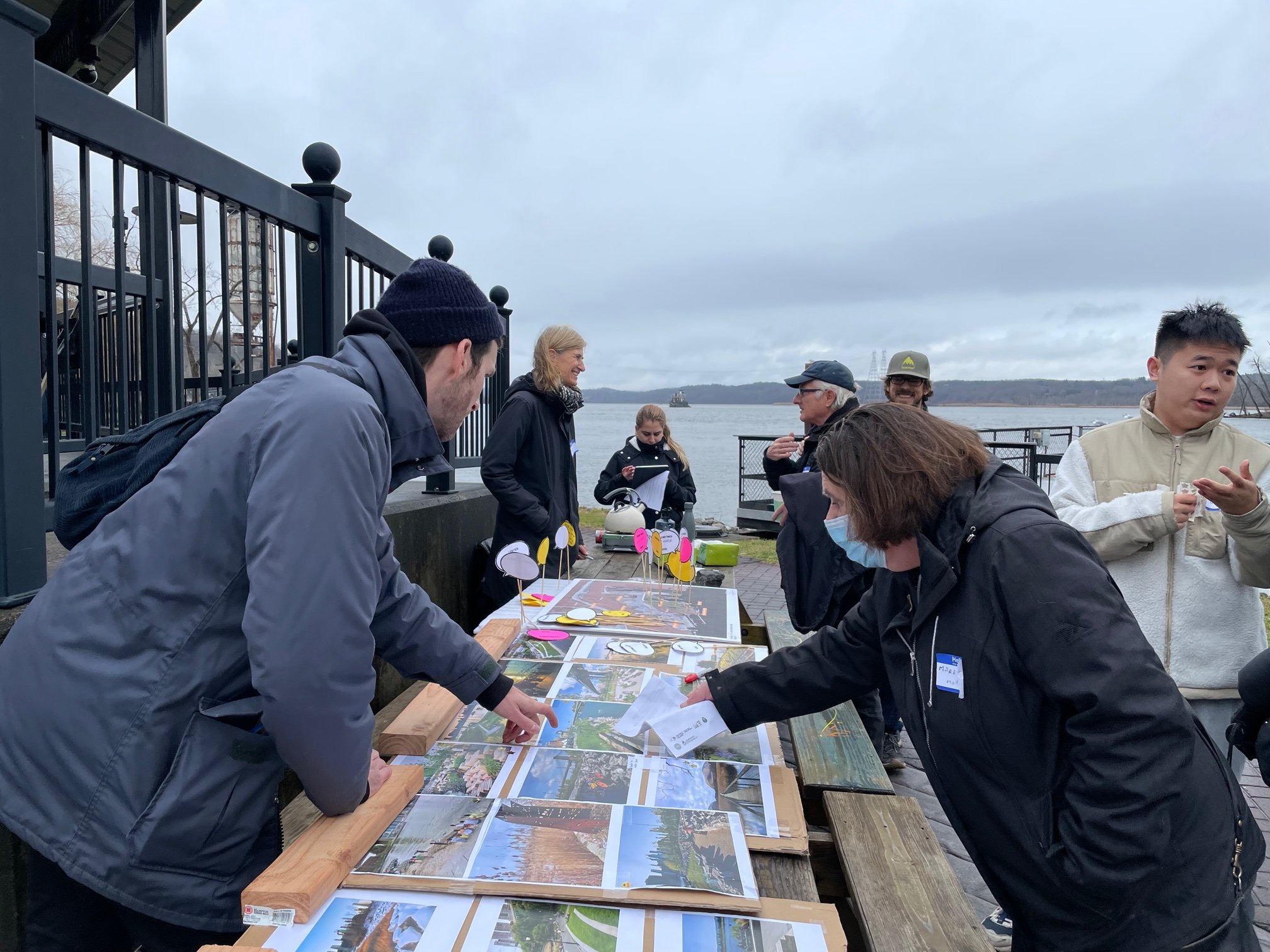
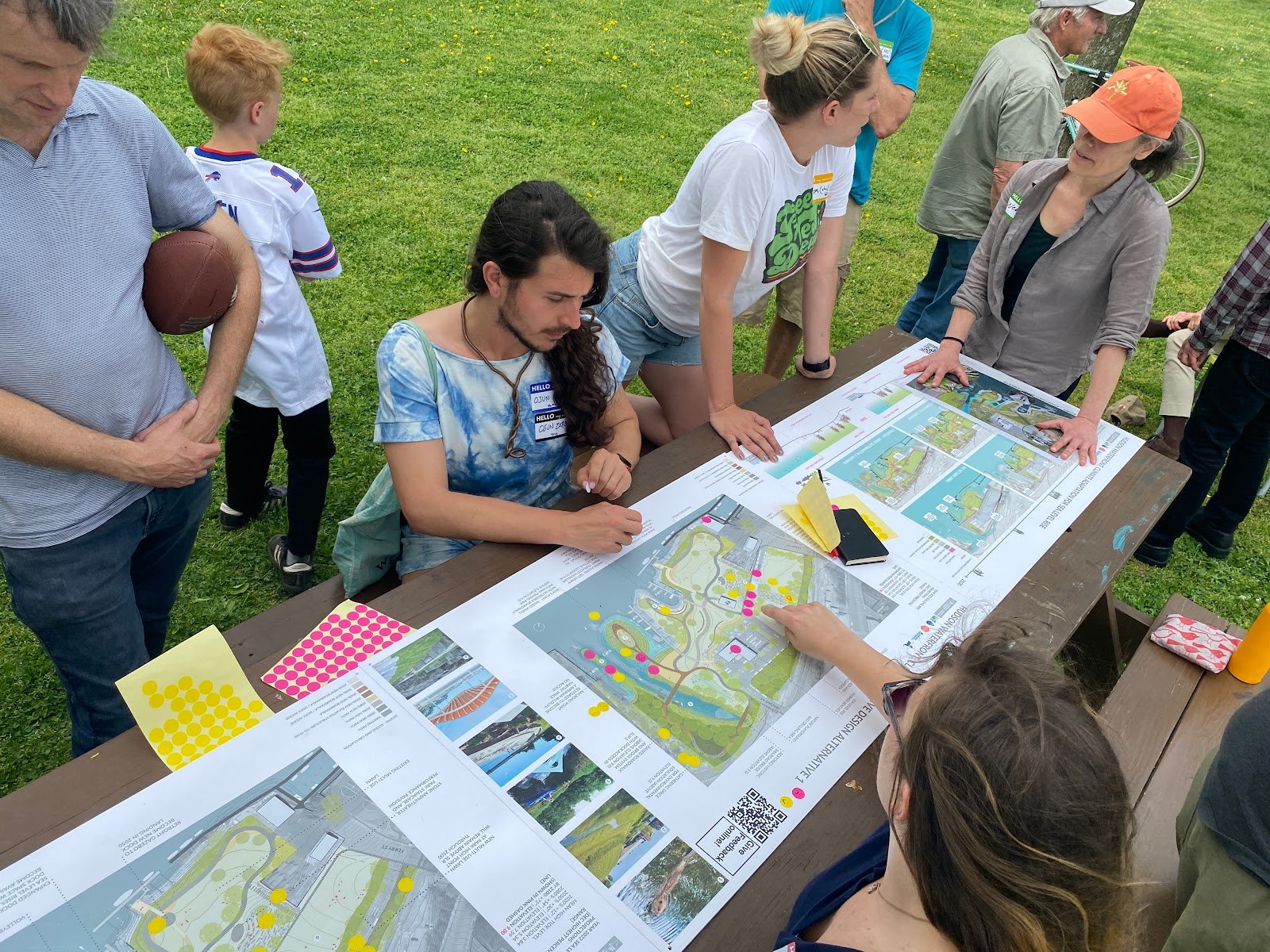
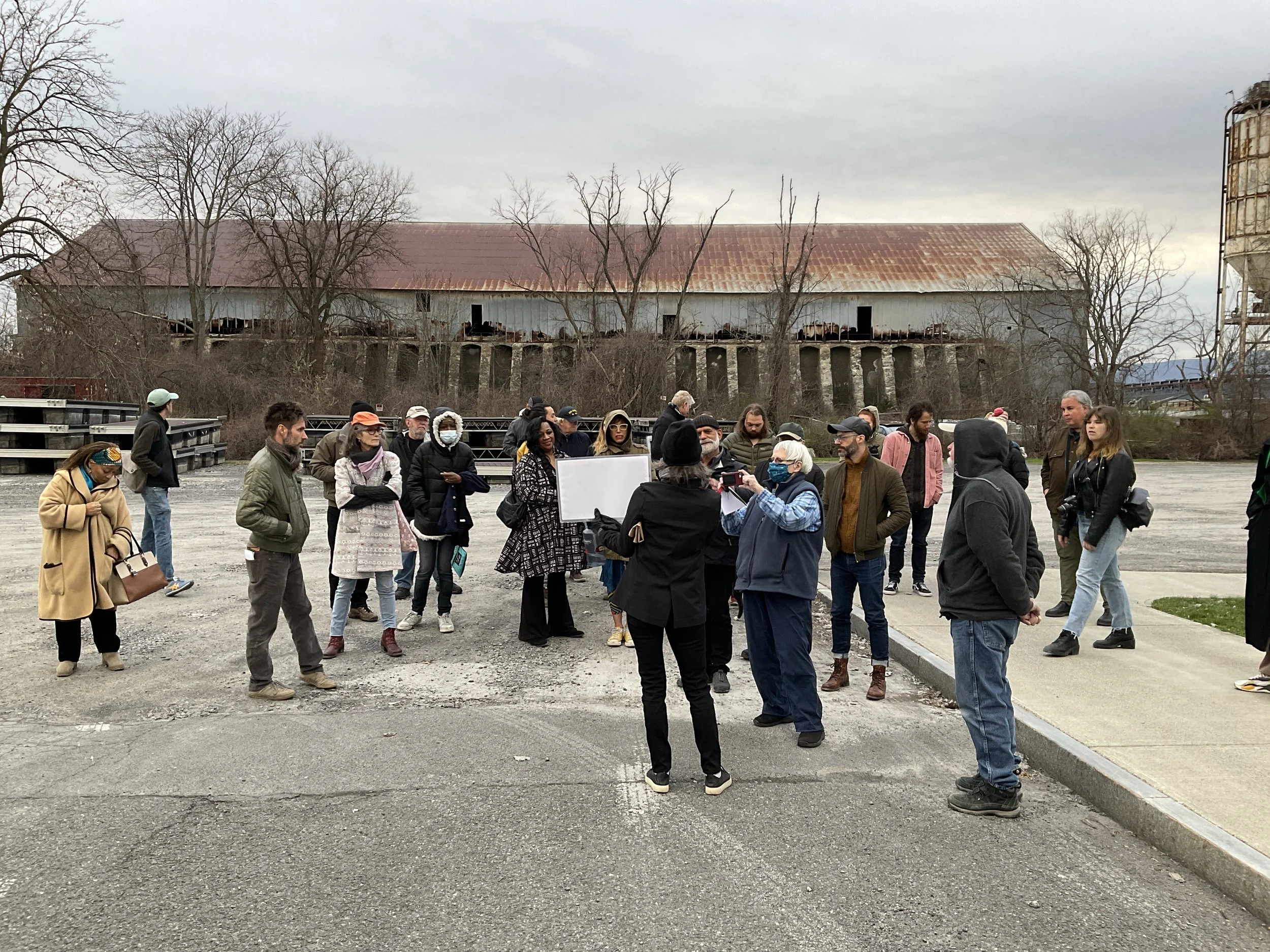
The design is grounded in a rigorous community engagement process that helped establish the design priorities: more accessible circulation, living shorelines in the protected bays, more water access points, a natural play area, and woodland restoration around the estuarine education space.
Restoring a historic industrial site along the Hudson River
Through community engagement and resiliency planning, we developed a climate-adaptive plan that will protect the park’s recreational vitality and ecological viability for years to come.

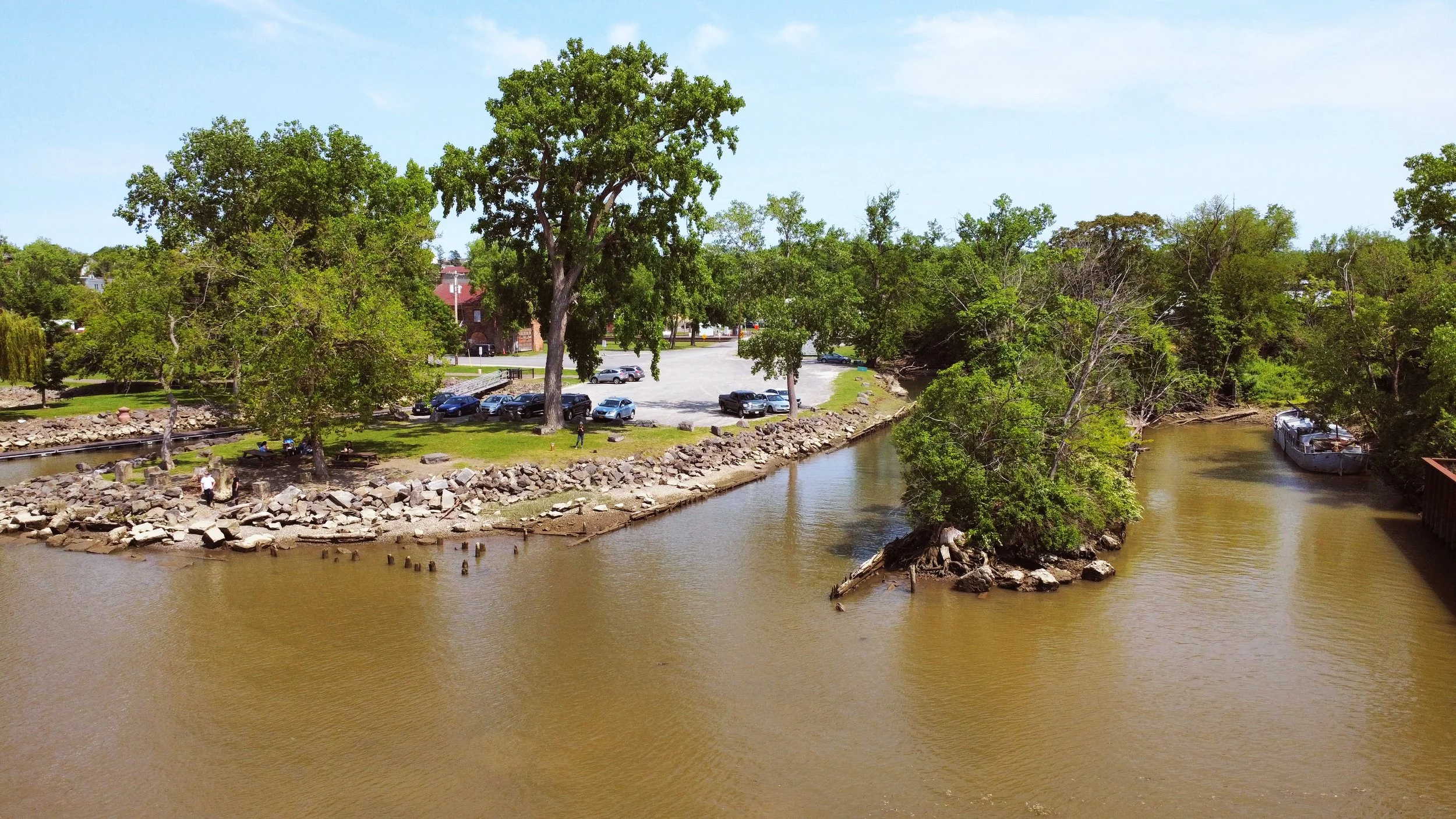
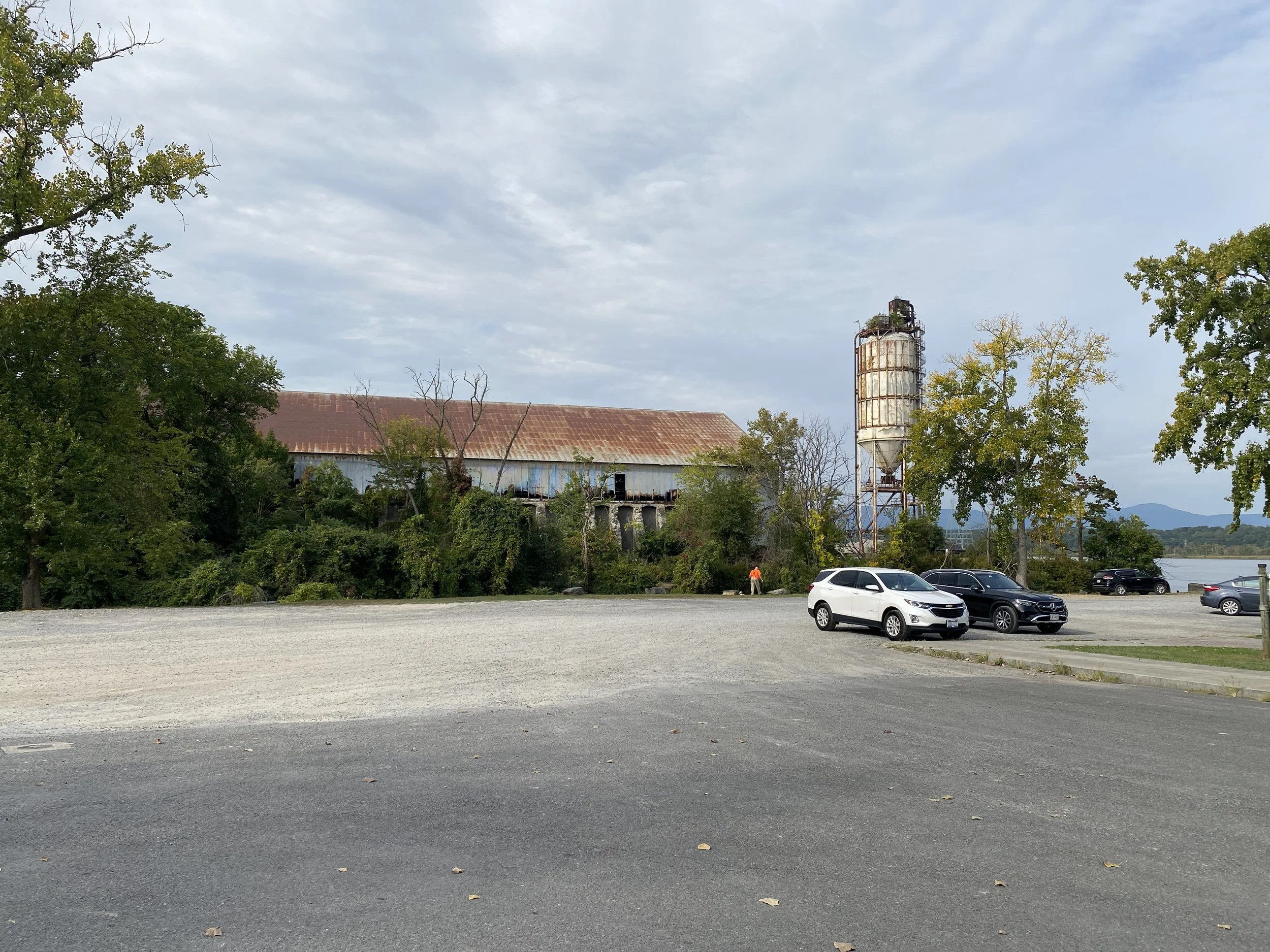
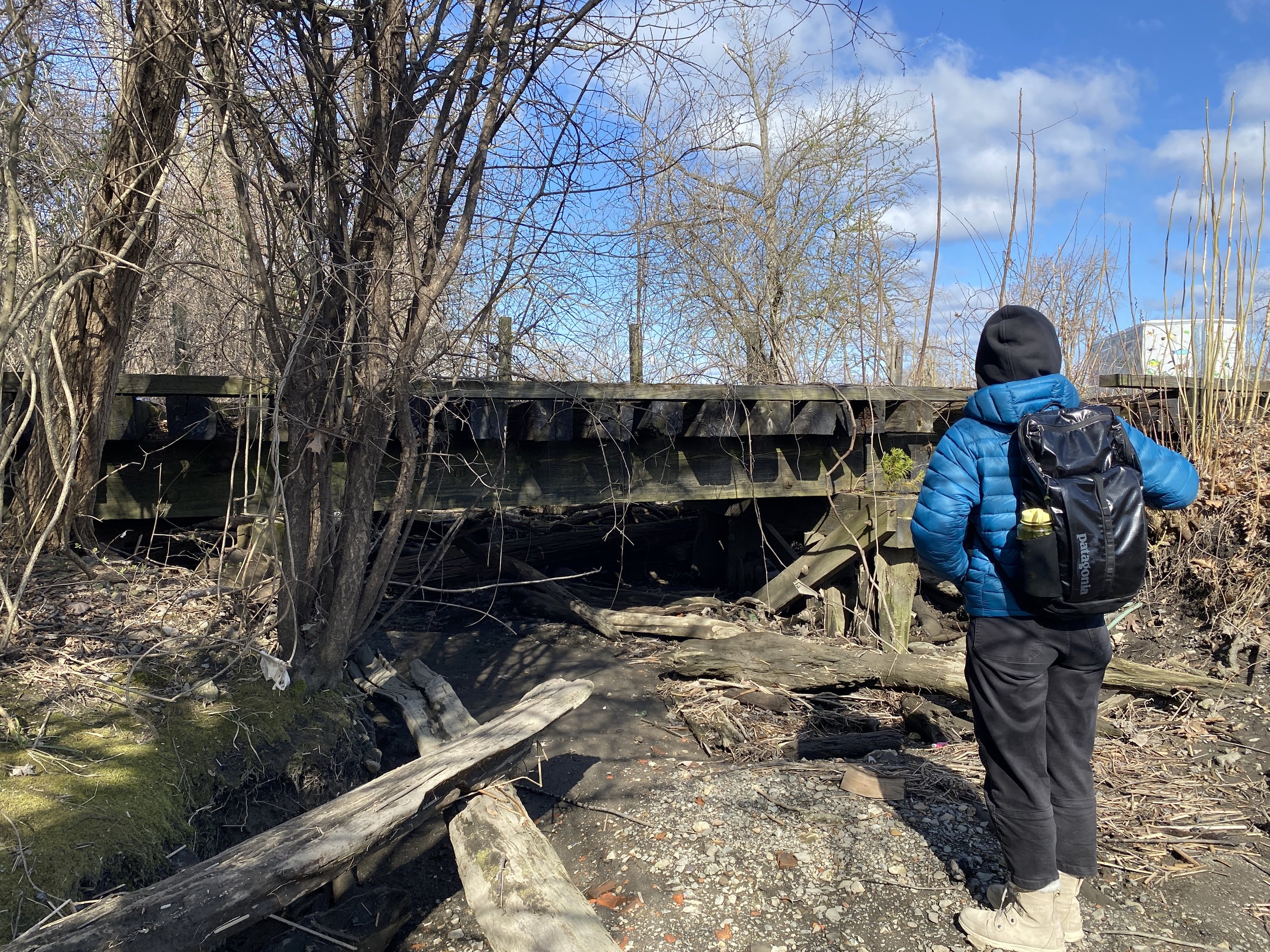
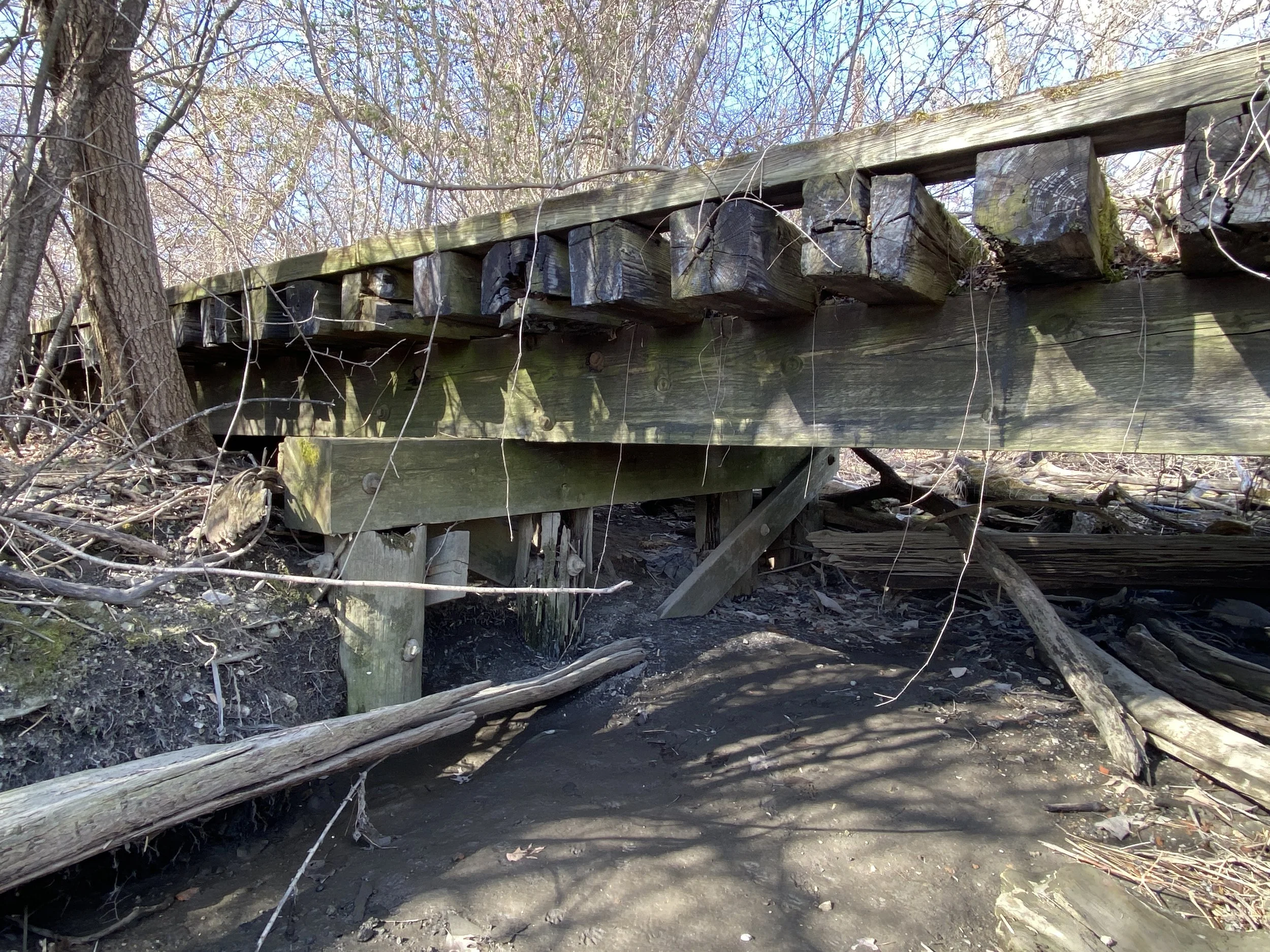
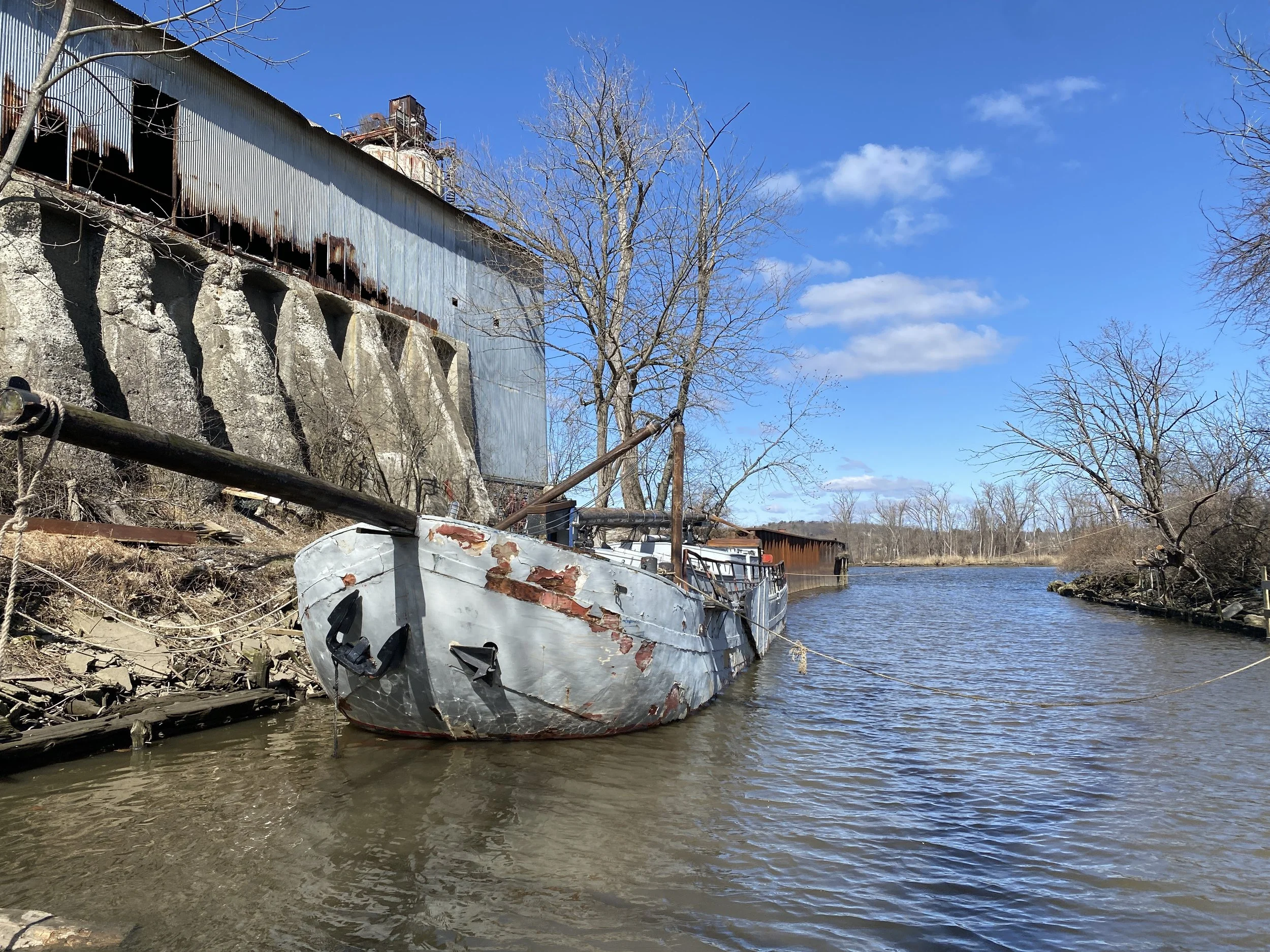
Once a vibrant marshland, Henry Hudson Riverfront Park was reshaped for industrial use before being transformed into the recreational park that exists today.
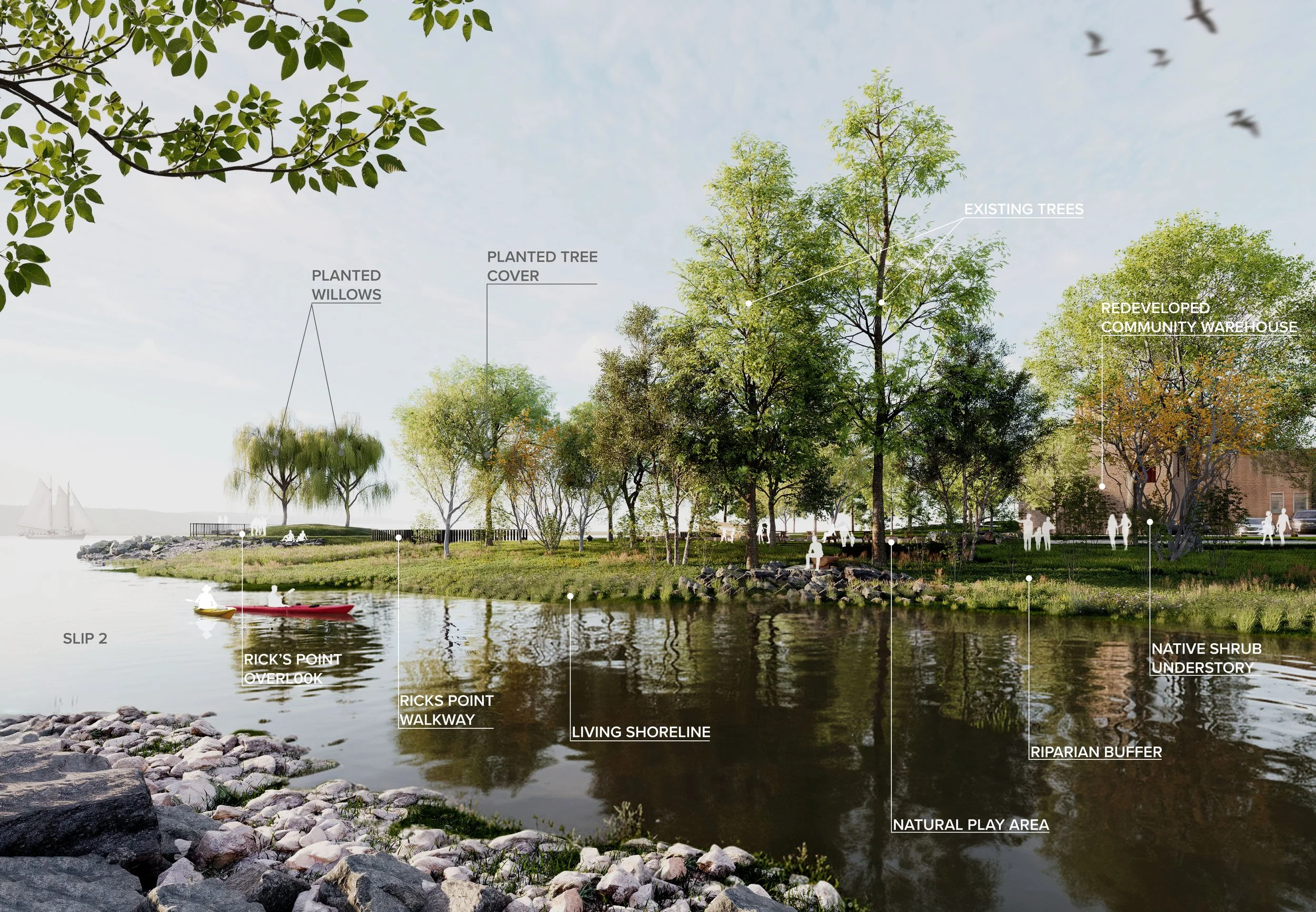
The climate-adaptive design enhances and protects the waterfront edge with a new living shoreline that will restore tidal marsh habitat for freshwater species in the upper Hudson River.
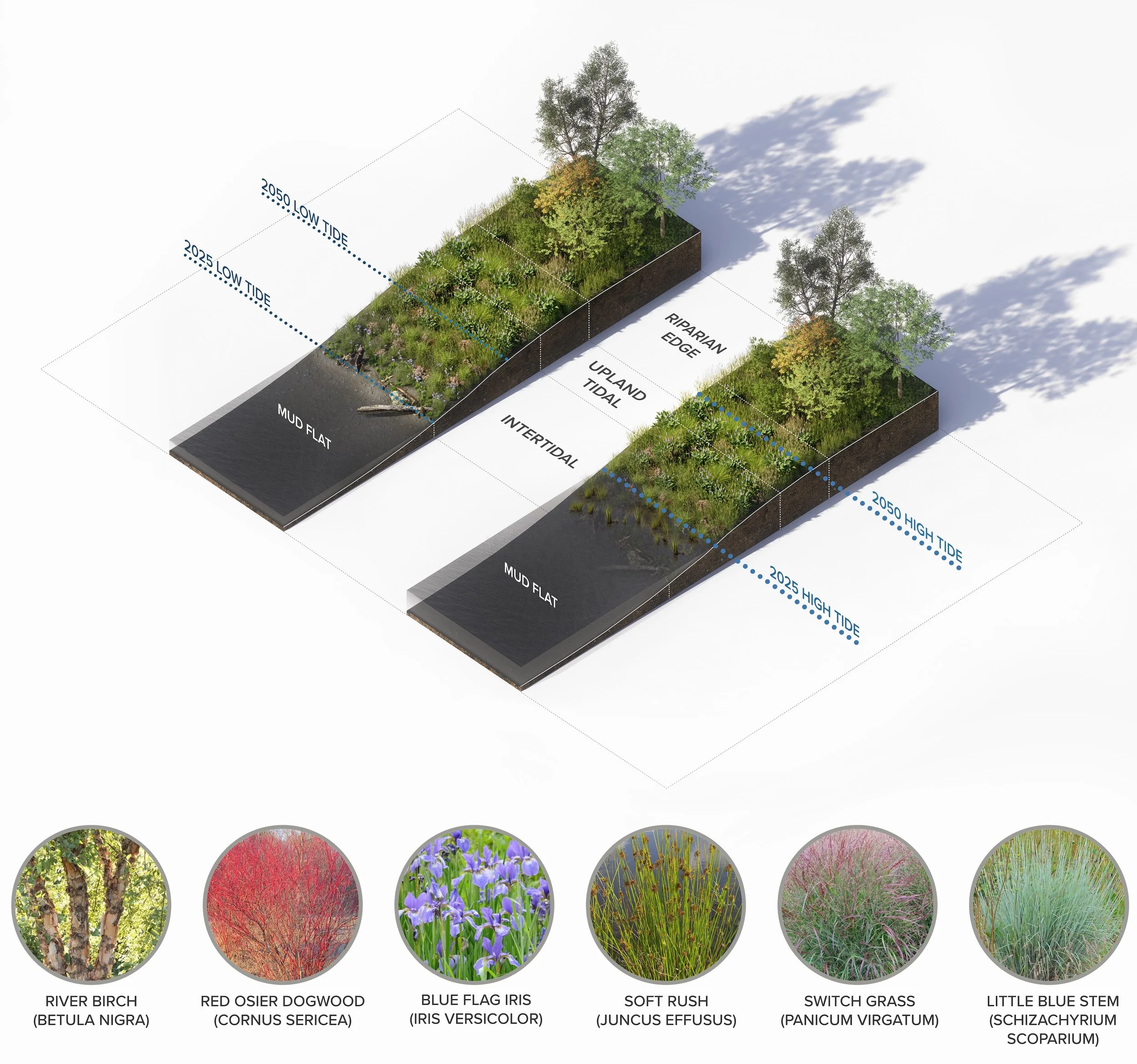
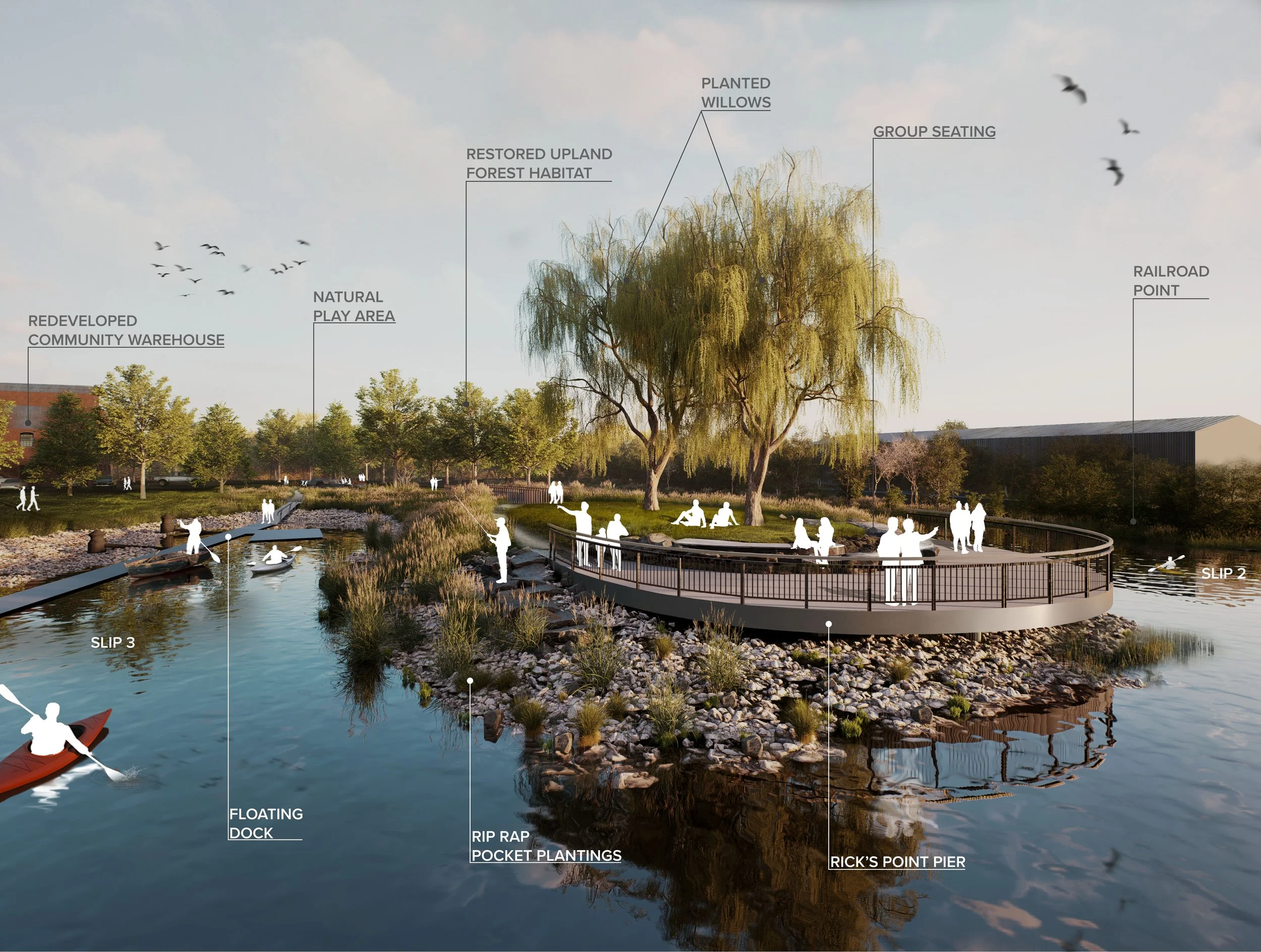
The park’s waterfront is vulnerable to recurrent seasonal flooding, and sea-level rise projections indicate that much of the shoreline will be affected by 2050. The climate-adaptive design elevates a key area of the park shoreline with a new pier and lawn area.
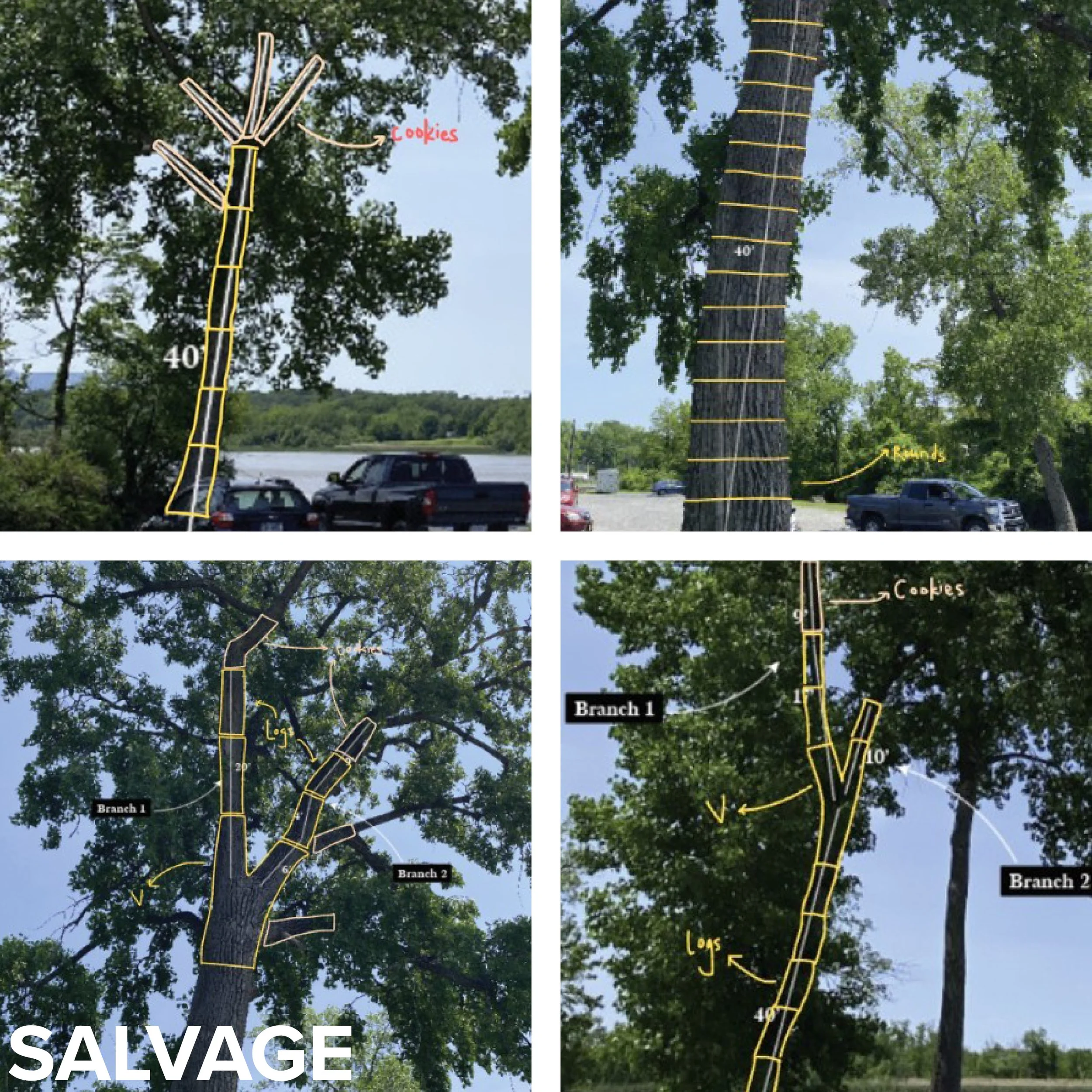
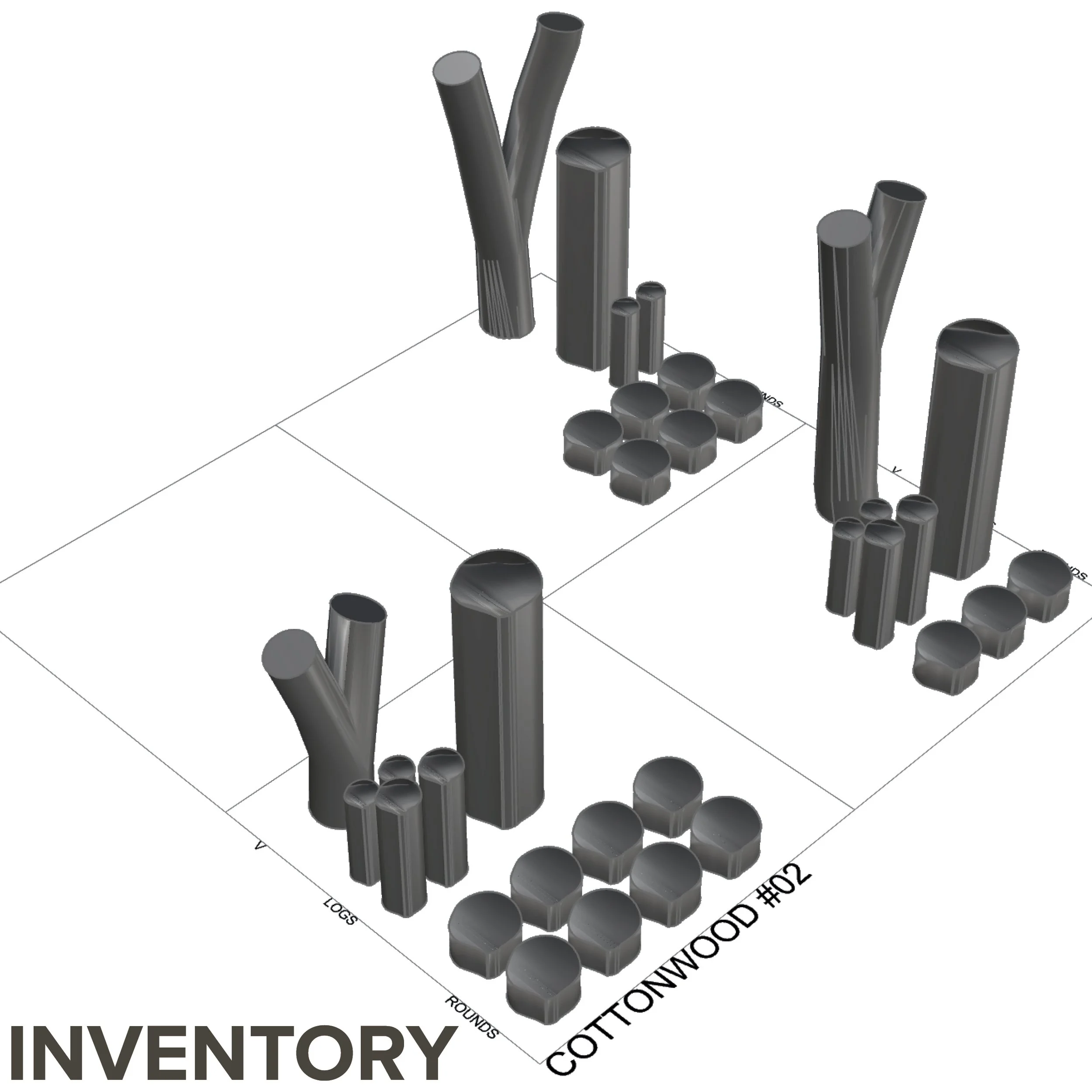
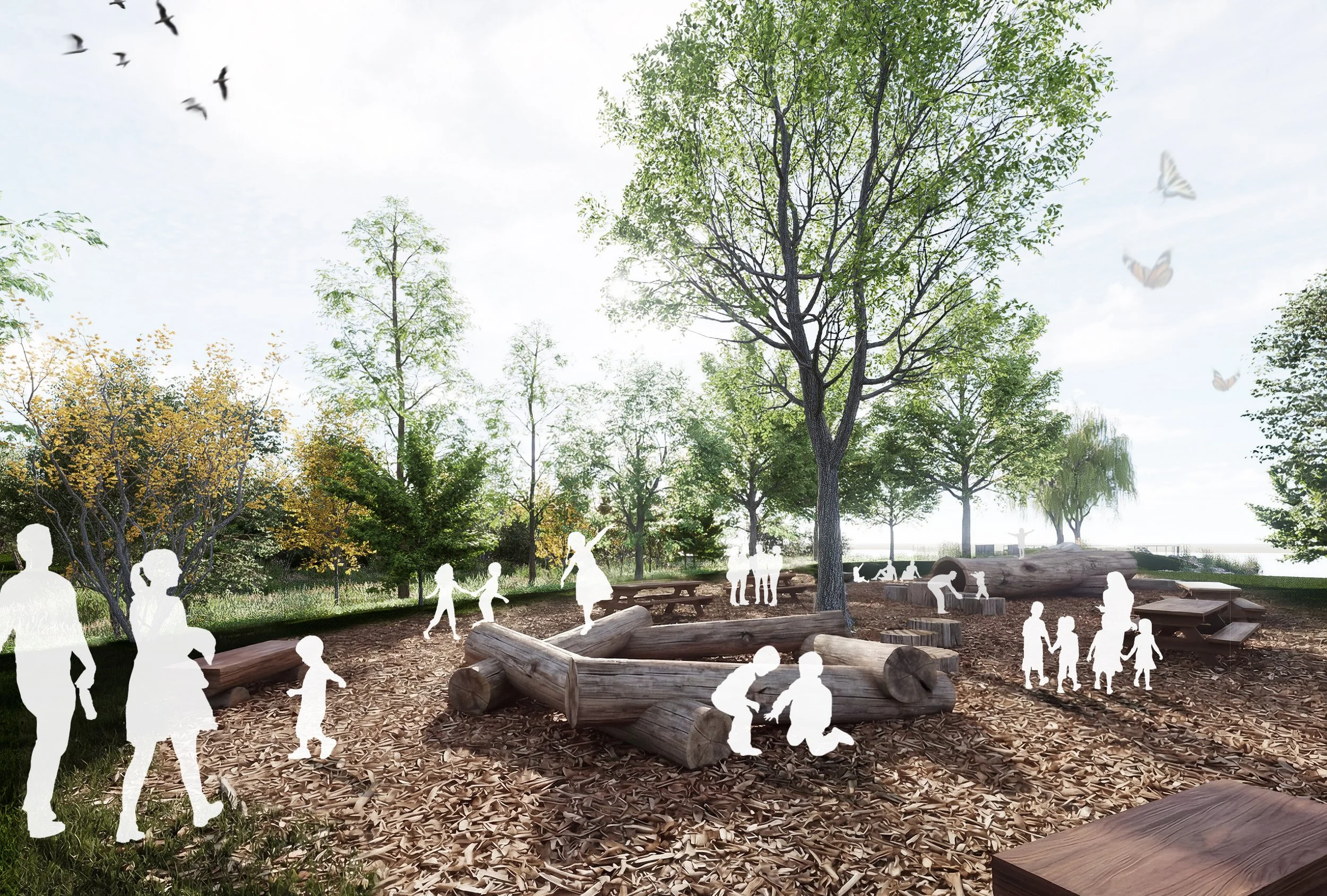
Our climate-adaptive approach repurposes existing materials from the site. Trees have a second life as play features within the natural play area. We consider the full material potential of every site by integrating salvage and reuse into the design process.
The sequence below illustrates our inventory process for reclaiming wood from trees that will be removed as part of shoreline elevation.